

Time management is an essential skill that affects almost every aspect of our lives. It might significantly impact how we balance our responsibilities and approach work. Additionally, it can distinguish between feeling overwhelmed and being in control. These “15 Essential Time Management Techniques for Everyday Life” will help you manage your time. In our fast-paced, ever-distracting world, time management abilities are more critical than ever. To help you take back control of your calendar and increase productivity in your daily tasks, this article examines key time management techniques and resources.

- 1) Prioritize Tasks with the Eisenhower Matrix
- 2) The Pomodoro Technique for Focus
- 3) Set SMART Goals
- 4) Batch Similar Tasks
- 5) Delegate and Outsource When Possible
- 6) Learn to Say No
- 7) Use Time-Blocking to Structure Your Day
- 8) Track and Audit Your Time
- 9) Use the 2-Minute Rule for Small Tasks
- 10) Create a To-Do List with Priorities
- 11) Minimize Distractions
- 12) Utilize the Power of Deadlines
- 13) Review and Reflect Regularly
- 14) Practice the Art of Single-Tasking
- 15) Maintain a Healthy Work-Life Balance
1) Prioritize Tasks with the Eisenhower Matrix
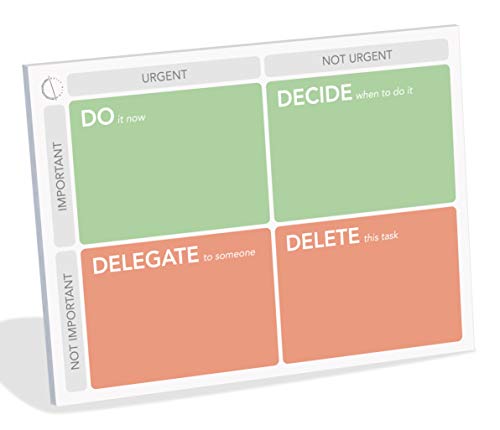
The Eisenhower Matrix, also known as the Urgent-Important Matrix, is a straightforward yet effective tool for prioritizing tasks. It divides tasks into four categories based on urgency and importance:
Quadrant 1: Urgent and Important
These tasks require immediate attention and are critical to achieving your goals (e.g., deadlines or crises).
Quadrant 2: Not Urgent but Important
These essential tasks contribute to long-term success (e.g., planning and relationship-building).
Quadrant 3: Urgent but Not Important
These tasks demand immediate attention but are often distractions (e.g., some phone calls or emails).
Quadrant 4: Not Urgent and Not Important
These activities are time-wasters (e.g., excessive social media scrolling).
Using this matrix, you can focus on high-impact activities, preventing time from slipping away to unimportant distractions. This matrix is one of the best time management techniques for staying organized.
2) The Pomodoro Technique for Focus
Developed by Francesco Cirillo in the 1980s, the Pomodoro Technique is a time management method designed to enhance focus and mental agility. The process is simple:
- Work on a single task for 25 minutes (a “Pomodoro”
- Take a 5-minute break after each Pomodoro.
- After four Pomodoros, take a more extended break (15-30 minutes).
The Pomodoro Technique is most effective when work is broken down into manageable intervals, as it prevents burnout and helps maintain attention. It is particularly well-liked by those who struggle with focusing for extended periods or tend to procrastinate. The Pomodoro technique is one of the more well-liked methods for managing time, particularly for balancing multiple assignments.
To make the Pomodoro Technique even more accessible, consider using a physical timer, such as the TimeCube Timer. This timer features preset intervals, helping you stay focused without relying on your phone, which can be a distraction.

3) Set SMART Goals
Goal setting is one of the foundational principles of time management. However, not all goals are created equal. The SMART criteria offer a way to make goals more actionable:
- Specific: Clearly define the goal (e.g., “write a 1500-word article”.
- Measurable: Set a way to” track progress (e.g., complete 500 words a day).
- Achievable: Ensure the goal is realistic, given your resources.
- Relevance: Ensure it aligns with your broader objectives.
- Time-bound: Set a deadline to maintain urgency.
Establishing SMART goals can transform imprecise aims into precise, doable plans, improving productivity and time management. This time management technique is crucial for those who require structure.
Tools like the Best Self Co. Self Journal can help you break down your goals into actionable steps, track your progress, and reflect on your daily accomplishments. This journal has goal-setting templates to ensure you stay on track with your SMART goals.

4) Batch Similar Tasks
Task batching is the assembly of related work into a single, concentrated session. For instance, you can set a time to check and respond to all your emails rather than reacting to them at different times.
Batching reduces context switching—the mental transition between tasks. Studies have shown that persistent multitasking can reduce productivity. By batching jobs, you can complete related work more efficiently and maintain a focused mindset. Batching is one of the most incredible time management strategies for balancing many obligations.
5) Delegate and Outsource When Possible
Not every task requires total concentration. Acquiring the skill of task delegation or outsourcing helps liberate time for more crucial responsibilities. While outsourcing involves paying outside experts to perform specialized tasks, delegation entails assigning duties to individuals who are competent in managing them.
For instance, assigning minor tasks to team members when overseeing a project guarantees you have time to concentrate on higher-level tactics. Likewise, you can focus on your primary skills by outsourcing website management and bookkeeping. This essential time management strategy helps leaders focus on what matters.
6) Learn to Say No
Saying “no” to obligations and things that don’t align with your priorities is one of the most challenging yet most successful time management strategies. Overcommitting is a common time management mistake that often leads to stress and burnout.
You can focus on essential matters and politely decline inquiries that conflict with your schedule. Practice saying no by coming up with alternatives, such as “I could help next week, but I can’t do that right now, or suggesting another helpful source.
7) Use Time-Blocking to Structure Your Day
Using the time-blocking method, you can plan your day by allocating specific time slots to various chores or activities. For instance, you may schedule meetings from 1 to 2 PM, in-depth work from 9 to 11 AM, and project planning from 3 to 4 PM.
Allocating a specific amount of time to each activity helps prevent work from piling up or taking longer than necessary. The time-blocking strategy establishes structure by eliminating wasted time and boosting productivity.

8) Track and Audit Your Time
Knowing where your time goes is crucial to better time management. You can identify trends in your daily activities by keeping a journal or using a time-tracking tool.
After you have a better understanding, conduct a time audit to identify areas where you can reduce non-essential activities. For instance, if you’re using social media for 2 hours a day, you can use productivity tools or set limits to reduce that time.
9) Use the 2-Minute Rule for Small Tasks
According to the 2-Minute Rule, popularized by productivity expert David Allen, you should perform a task right now rather than putting it off if it takes two minutes or less. If ignored, these minor tasks can accumulate and become overwhelming.
Quick chores, such as responding to a brief email or making a phone call, should be completed immediately to avoid them accumulating and taking up space on your to-do list.
10) Create a To-Do List with Priorities
A to-do list is a staple in time management, but not all lists are equally effective. A well-structured to-do list prioritizes tasks by importance. One method is the ABC method:
- Tasks are the most important and should be tackled first.
- B tasks are important but not urgent.
- C tasks are minor or optional tasks you must deal with later.
Creating a prioritized to-do list helps you focus on high-value tasks, ensuring essential work is completed without overshadowing less critical tasks.
Don’t let good ideas slip away when you’re away from your desk. Use the Aqua Notes Waterproof Notepad to jot down thoughts or to-do items in the shower, as great ideas can strike at any time.

11) Minimize Distractions
Distractions are one of the biggest obstacles to effective time management. Whether it’s your smartphone or noisy environments, minimizing these disruptions is crucial to staying focused.
To reduce distractions, you can:
- Use apps like Focus@Will to create a productive work environment.
- Turn off unnecessary notifications.
- Use browser extensions like StayFocusd to limit access to distracting websites.
- Set a designated time to check emails and messages.
Minimizing distractions is one of the most helpful time management techniques for students, especially when studying for exams or working on major assignments.
Reduce distractions and external noise with Sony Noise Cancelling Headphones. These high-quality headphones can help you stay focused, whether you’re working in a busy office or studying in a noisy environment.

12) Utilize the Power of Deadlines
Setting deadlines instills a sense of urgency and ensures work is completed on schedule. But not every task has an inherent deadline. Setting deadlines for yourself is crucial in these situations to keep things moving forward.
If you’re working on a lengthy document, break it down into smaller goals, each with a specific due date. This method discourages procrastination and promotes progress.
13) Review and Reflect Regularly
Time management is not a one-size-fits-all approach. What works for one person may not work for another. That’s why you must reflect on your time management practices regularly
At the end of each week, ask yourself:
- What went well?
- What tasks took longer than expected?
- What can I improve for next week?
By reflecting on your time management methods, you can fine-tune your approach to become even more efficient.
14) Practice the Art of Single-Tasking
Research indicates that multitasking frequently reduces productivity and increases mistakes, even though it may seem like an intelligent way to get more done. Instead, concentrate on single-tasking, giving your entire attention to one activity.
Multitasking enhances focus, reduces errors, and yields higher-quality work. It’s an easy yet efficient tool for improving your time management.
15) Maintain a Healthy Work-Life Balance
Finally, time management skills are not just for the workplace. Maintaining a good work-life balance is crucial for long-term health.
To unwind, engage in hobbies, practice self-care, and make time for downtime. Establish business and personal time boundaries by allocating weekends to family activities or refraining from checking emails after a specific hour. A balanced approach to time management can avoid burnout and ensure continuous productivity.
Maintaining good posture while working is crucial for staying productive and avoiding strain. The Ergonomic Desk Chair by Hbada provides excellent support for extended periods of sitting, helping you stay comfortable and focused throughout the day.

Learning practical time management skills for the workplace or classroom is a continuous process that requires dedication and ongoing improvement. Implementing these crucial tools and strategies into your daily routine enables you to take charge of your calendar, increase productivity, and make more time for the things that matter most in your life. I hope you enjoyed reading the essentials of time management techniques and found them helpful in managing your daily stress.